
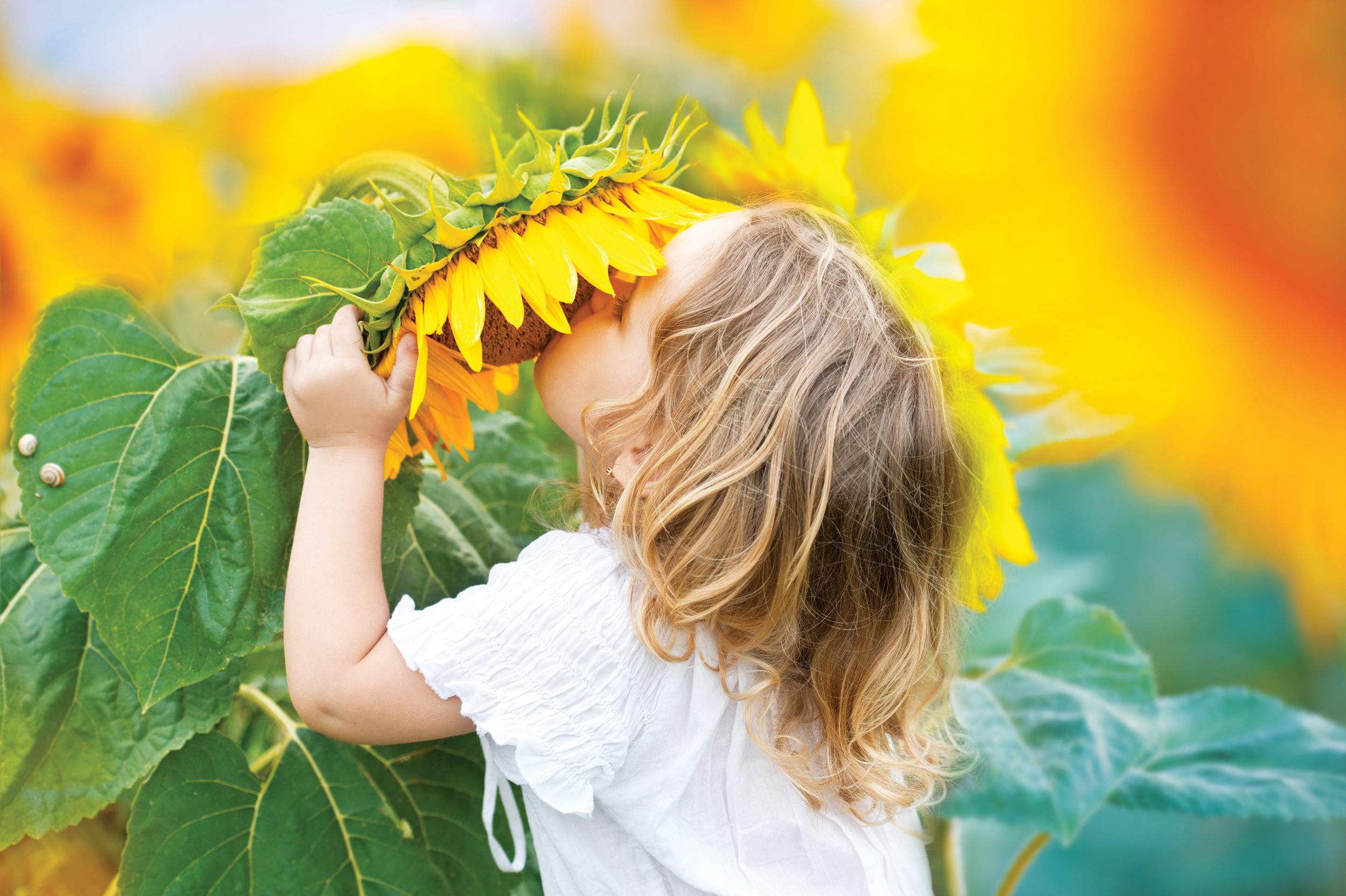
“I go to nature to be soothed and healed and to have my senses put in order.” – John Burroughs, American naturalist and essayist
IN THE EARLY 1980S, a group of Japanese scientists launched a study to determine whether a stroll through a forest had any clinically therapeutic benefits. Since that time, studies have proven again and again that exposure to nature enhances our health and well-being.
But we don’t need scientists to tell us that nature heals. All we need to do is step into a garden. The soothing sights, sounds and scents of a green space calm our sympathetic nervous system and boost serotonin, one of the body’s “feel-good” chemicals.
For the young survivors of neglect and abuse living at Hephzibah Home—who are nearly twice as likely to experience PTSD as war veterans—nurturing life in a garden can also help heal trauma. So art therapist Jennifer Wise and volunteer manager Hannah Weigel decided to harness that healing power by creating a garden therapy program for Hephzibah’s kids.
“We planned the garden over the winter and then recruited volunteers to donate plants and help prepare the soil in the spring,” says Wise. “The children planted cool-weather crops such as strawberries, snap peas, spinach, kale and swiss chard in March and warm weather crops such as beans, corn, cucumbers, tomatoes, sunflowers and watermelon in May.”
By June, the garden was teeming with life, including a caterpillar habitat and a milkweed patch for monarch butterflies.
“The children are awed by what they’ve created,” says Wise. “They love tending to their garden and harvesting its vegetables for salads and recipes. It’s been a very grounding and soothing activity for them.”
Each week, Wise teams up with behavioral therapist Nicole Roby to work on social skills and emotional issues with the children, who are more relaxed and receptive in their garden oasis.
“It’s a reparative experience for these kids,” says Clinical Coordinator Lucy Scott, LCPC. “As they engage in nurturing behaviors in the garden, they can discuss how living things—including children—are vulnerable and need care. Children with PTSD, who often have a hard time reflecting on their traumas, can talk about what a caterpillar needs to thrive, for example, and then translate that into their own childhood experience and think about what transformation looks like.”